Published Date
July 8, 2026
Author
Aarvak Diagnostics
Read Time
8 min
Category
Pathology
Culture and Sensitivity Test: When an Infection Needs a Culture, Not Another Antibiotic
Quick answer: A culture and sensitivity (C&S) test grows the bacteria (or fungus) causing an infection from a sample — urine, stool, blood, pus, wound swab, throat swab or sputum — identifies it, and tests which antibiotics it is sensitive or resistant to. You need one when an infection is recurrent, not improving on antibiotics, severe, or occurs in someone with diabetes, pregnancy, low immunity or recent hospitalisation. Collect the sample before starting antibiotics whenever possible. Results usually take 48–72 hours (blood cultures up to 5 days).
Gurugram's humid monsoon and post-monsoon months bring a surge of skin infections, boils, fungal rashes, stomach infections and urinary infections. Many are treated with whichever antibiotic is at hand. When the first course doesn't work, a second and third follow — and resistance grows. A culture test breaks that cycle by showing exactly what will work.
Why Antibiotic Resistance Makes Cultures Essential
India has high levels of antibiotic resistance in common bacteria such as E. coli, Klebsiella and Staphylococcus aureus (including MRSA). A culture-guided antibiotic:
- Works faster
- Avoids unnecessary broad-spectrum antibiotics
- Reduces side effects
- Slows the spread of resistance in your family and community
Types of Culture Tests
Urine Culture
For urinary tract infections — especially recurrent UTIs, UTIs in pregnancy, men, children, and people with diabetes. See urine routine vs urine culture.
Stool Culture
For diarrhoea with fever, blood or mucus in stool, diarrhoea lasting more than a few days, or suspected typhoid carriers. Often done with stool routine and microscopy to look for parasites.
Blood Culture
For fever with suspected bloodstream infection or typhoid. Best taken during fever and before antibiotics. See typhoid tests compared.
Pus and Wound Swab Culture
For boils, abscesses, infected cuts, diabetic foot ulcers and post-surgical wound infections. Recurrent boils may indicate Staphylococcus carriage or uncontrolled diabetes — check your sugar with an HbA1c test.
Throat Swab Culture
For severe or recurrent sore throat, especially in children, to check for streptococcal infection.
Sputum Culture
For chest infections not responding to treatment, and in specific situations for tuberculosis testing.
Fungal Culture and KOH Mount
For persistent skin, nail and scalp fungal infections — very common in the monsoon. A KOH mount gives a quick result; culture identifies the fungus.
How the Test Works
- Collection: a sterile sample is collected
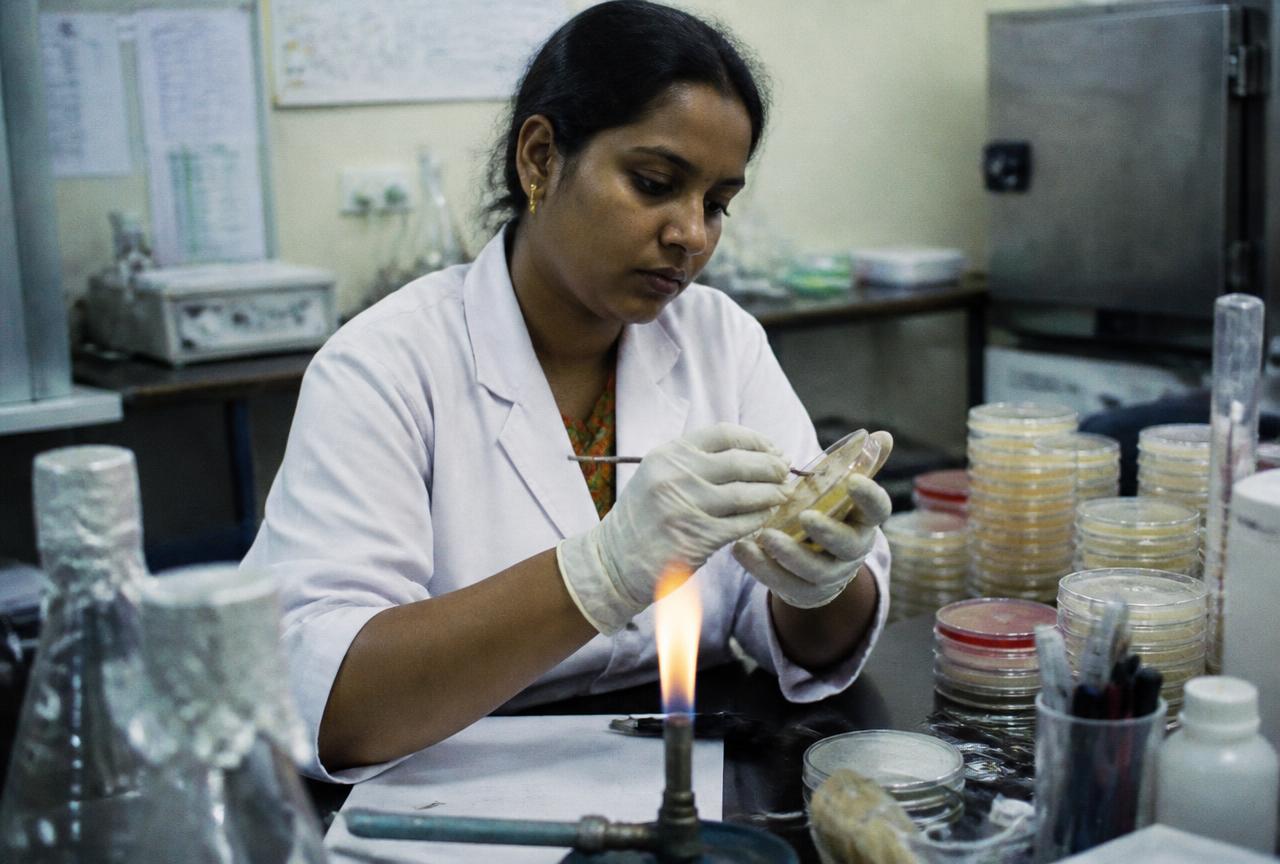
- Culture: the sample is placed on growth media and incubated
- Identification: any significant growth is identified
- Sensitivity testing: the organism is tested against a panel of antibiotics
- Report: lists the organism and which antibiotics it is Sensitive (S), Intermediate (I) or Resistant (R) to
A "no growth" result usually means no significant bacterial infection in that sample — or that antibiotics were already taken.
Aarvak's microbiology laboratory performs these cultures.
How to Collect Samples Correctly
- Before antibiotics — the single most important rule
- Sterile containers only — from the lab, never household bottles
- Urine: midstream clean-catch, ideally first morning urine
- Stool: a small amount (about a teaspoon) in the sterile container, avoiding contact with urine or water; bring to the lab within one to two hours
- Wound or pus: collected by trained staff after cleaning the surface
- Tell the lab about any antibiotics already taken
When to See a Doctor Urgently
- Fever with chills and rigors
- Spreading redness, warmth or swelling of the skin
- A wound that is worsening, smells or has pus — especially in diabetes
- Diarrhoea with blood, high fever or signs of dehydration
- Burning urine with fever or back pain
Preventing Monsoon Infections
- Keep skin dry; change out of damp clothes and socks quickly
- Don't share towels, razors or footwear
- Clean and cover cuts promptly
- Drink safe water and avoid street food
- Keep diabetes well controlled
- Don't self-medicate with antibiotics
Frequently Asked Questions
What is a culture and sensitivity test?
It is a lab test that grows the germ causing an infection from a sample, identifies it, and shows which antibiotics will work against it.
How long does a culture report take?
Most urine, stool, pus and swab cultures take 48–72 hours. Blood cultures can take up to five days.
Can I take antibiotics before a culture test?
It's best to give the sample before starting antibiotics, because antibiotics can prevent bacteria from growing and lead to a falsely negative result.
What does "resistant" mean on a culture report?
It means the antibiotic is unlikely to work against that particular germ. Your doctor will choose an antibiotic listed as sensitive.
Why do I keep getting boils?
Recurrent boils can be due to Staphylococcus carriage, uncontrolled diabetes, poor hygiene or close contact with an infected person. A pus culture and blood sugar test help find the cause.
Can culture samples be collected at home?
Urine and stool samples can be collected at home in sterile containers. Wound and pus samples are best collected by trained staff at the lab.
Book a Culture Test in Gurugram
Infection not clearing? Book a culture and sensitivity test at our Sector 67 lab or ask about home sample collection. Call +91 92663 33711.
This article is for general information only. Please take antibiotics only as prescribed by your doctor.