Published Date
July 9, 2026
Author
Aarvak Diagnostics
Read Time
9 min
Category
Pathology
Dengue Platelet Count: Normal Levels, Danger Signs and How Often to Test
Quick answer: A normal platelet count is about 1.5–4.5 lakh per cumm. In dengue, platelets usually start falling around day 3–5 of fever and are often lowest between days 5 and 7 — the "critical phase" — before recovering. Counts below 1 lakh are common and are monitored closely; counts below 20,000, or any bleeding, need urgent medical care. More important than the platelet number alone are warning signs such as severe abdominal pain, persistent vomiting, bleeding gums, extreme weakness, and a rising haematocrit. Your doctor will usually advise a CBC daily during the critical phase. Diagnose dengue with NS1 antigen (first 5 days) or IgM antibody (after day 5).
Dengue cases in Gurugram rise every year during and after the monsoon, typically from August to November. The most anxious question families ask is: "What platelet count is dangerous?" The answer is more nuanced than a single number.
How Dengue Progresses
Febrile Phase (Days 1–3)
High fever, severe headache, pain behind the eyes, body and joint aches, rash. Platelets are often still normal.
Critical Phase (Around Days 3–7)
The fever often falls — and this is when people wrongly assume they're getting better. In this phase:
- Platelets drop, sometimes quickly
- Plasma can leak from blood vessels, shown by a rising haematocrit (PCV)
- Warning signs may appear
Recovery Phase (After Day 7)
Platelets rise again, often quickly, and appetite and energy return. A rash and itching are common.
Tests for Dengue
To Diagnose
- NS1 antigen: best in the first 5 days of fever
- Dengue IgM antibody: becomes positive after about day 5
- Dengue IgG: indicates past or secondary infection
- Many doctors order NS1 + IgM + IgG together depending on the day of fever
To Monitor
- CBC with platelet count and haematocrit — the key monitoring test. See CBC explained
- Liver function test — liver enzymes are often raised in dengue
- Kidney function and electrolytes in severe cases
If you're unsure whether it's dengue or something else, see chikungunya vs dengue and our fever panel guide.
Understanding Platelet Numbers in Dengue
- 1.5–4.5 lakh/cumm: normal
- 1–1.5 lakh: mild fall — common in dengue
- 50,000–1 lakh: moderate fall — close monitoring
- 20,000–50,000: significant fall — doctor review, often daily or more frequent testing
- Below 20,000, or any bleeding: urgent medical attention; hospital care may be needed
Platelet transfusion is not routinely needed just because the count is low. Doctors decide based on bleeding and overall condition, not on a number alone.
Warning Signs — Go to Hospital Immediately
- Severe or persistent abdominal pain
- Persistent vomiting
- Bleeding from gums or nose, blood in vomit, urine or stool, or black stools
- Rapid breathing or breathlessness
- Extreme tiredness, restlessness or confusion
- Cold, clammy skin
- Reduced urine output
- Fluid accumulation (swelling)
These signs matter even if the platelet count looks acceptable.
How Often Should You Test?
- Days 1–3: NS1 (and CBC as baseline)
- Days 3–7 (critical phase): CBC every 24 hours, or more often if your doctor advises
- Recovery: until platelets are clearly rising and you are well
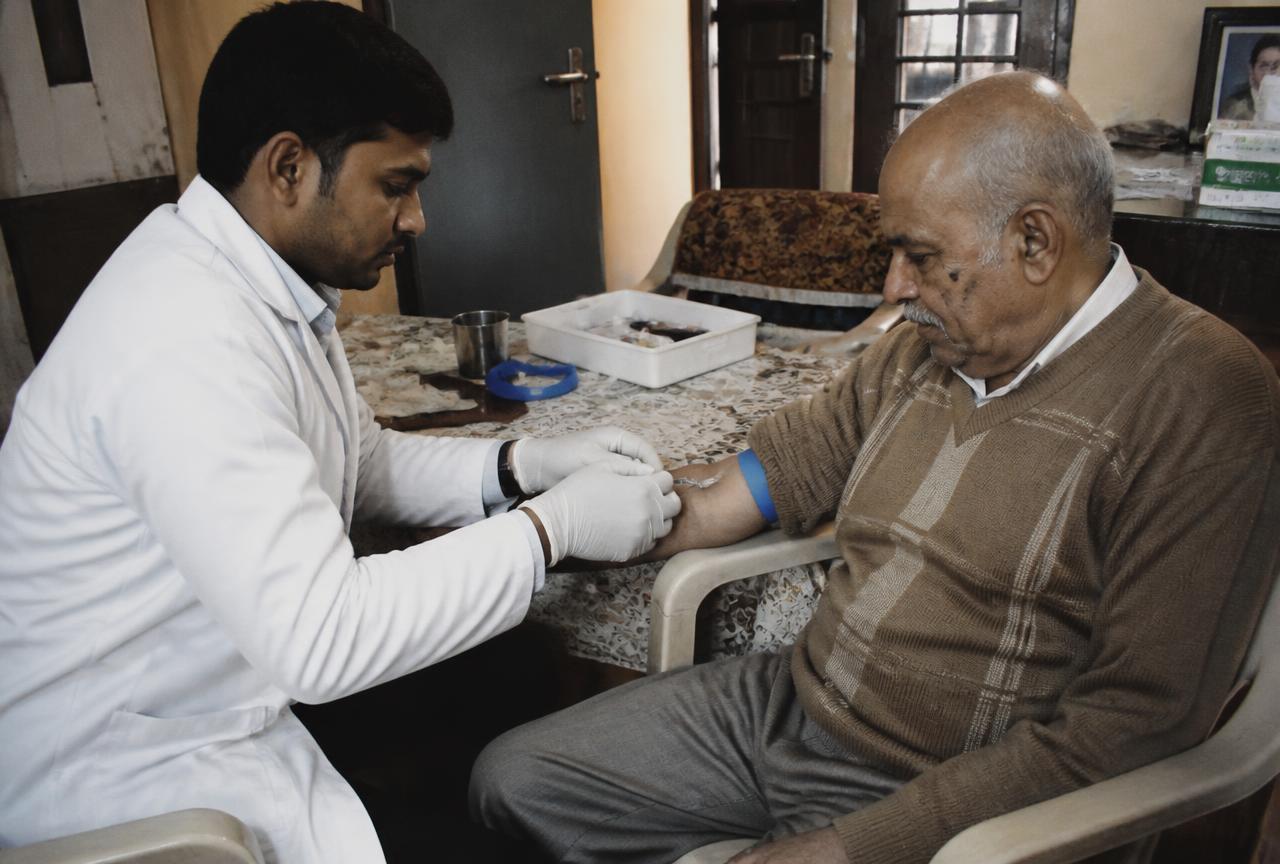
Daily CBCs are where home sample collection really helps — the patient doesn't need to travel while unwell.
Home Care During Dengue
- Fluids, fluids, fluids: water, ORS, coconut water, soups, juices — aim for frequent small amounts
- Paracetamol for fever, as advised by your doctor
- Avoid ibuprofen, aspirin and other NSAIDs — they increase bleeding risk
- Rest
- Monitor urine output — reduced urine can signal dehydration
- Don't rely on home remedies to "raise platelets" in place of medical monitoring
Prevention
- Remove standing water from coolers, pots, tyres and plant trays every week
- Use mosquito repellents, especially in the early morning and late afternoon when Aedes mosquitoes bite
- Wear full sleeves; use window screens and nets
Frequently Asked Questions
What platelet count is dangerous in dengue?
A platelet count below 20,000 per cumm, or any bleeding regardless of the count, needs urgent medical attention. Counts below 1 lakh are common in dengue and need close monitoring.
When do platelets drop in dengue?
Platelets usually start falling around day 3–5 of fever and are often lowest between days 5 and 7, before recovering.
Which test is best for dengue in the first days of fever?
The NS1 antigen test is best in the first five days of fever. The IgM antibody test becomes useful after about day 5.
How often should platelet count be checked in dengue?
During the critical phase (around days 3–7), doctors usually advise a CBC every 24 hours, or more frequently if counts fall quickly.
Can dengue platelet tests be done at home in Gurugram?
Yes. Aarvak offers home sample collection for CBC and dengue tests across Sector 67, Sohna Road and nearby areas.
Does papaya leaf juice increase platelets?
Some small studies have explored papaya leaf extract, but it is not a substitute for medical monitoring and hydration. Discuss any remedy with your doctor.
Book Dengue Tests and Daily CBC in Gurugram
Aarvak offers NS1, dengue IgM/IgG and CBC with platelet count, with home collection for daily monitoring. Call +91 92663 33711. See our haematology tests.
This article is for general information only. Dengue can become serious quickly — follow your doctor's advice and seek urgent care for warning signs.